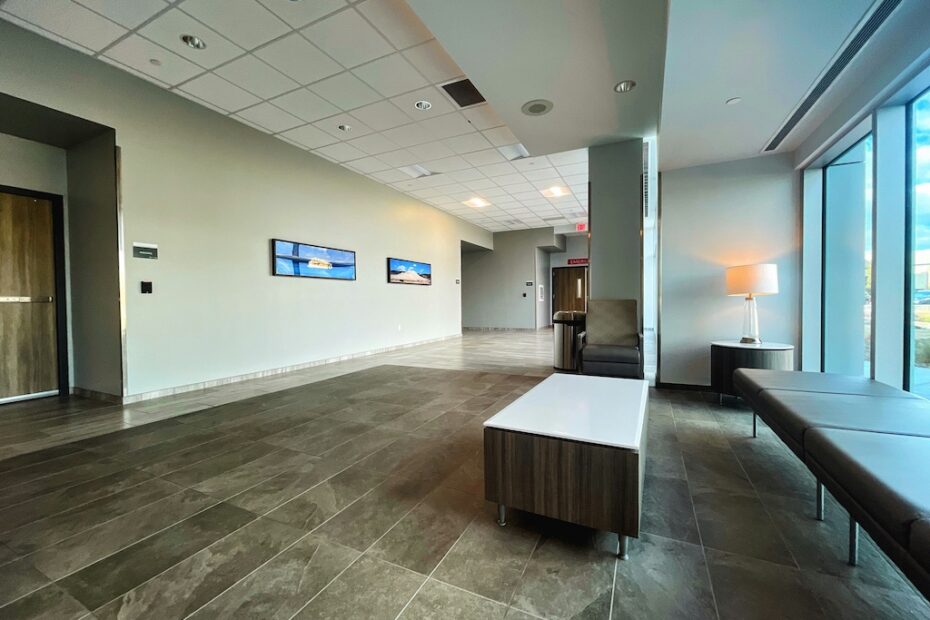
Medical office signage has evolved far beyond printed posters and static notice boards. Today, digital signage plays a critical role in improving patient communication, reducing perceived wait times, and creating a calmer, more organized healthcare environment. From waiting rooms to exam room corridors, medical office signage helps practices deliver timely information while maintaining a professional and modern appearance.
As patient expectations continue to rise, clinics, private practices, and multi-specialty medical offices are increasingly turning to digital signage solutions to improve both patient experience and internal operations.
What is medical office signage?
Medical office signage refers to digital signage displays used within healthcare environments to share information, guide patients, and support staff workflows. These displays can be TVs, professional monitors, or tablets placed in waiting rooms, reception areas, hallways, and staff-only zones.
Unlike traditional printed signage, digital medical office signage allows content to be updated instantly. Offices can display real-time announcements, educational content, appointment reminders, and even emergency notifications without reprinting or manual changes.
Why medical office signage matters
Healthcare environments can be stressful for patients. Long waits, unclear instructions, and lack of information often contribute to anxiety. Medical office signage helps address these issues by keeping patients informed and engaged.
Digital signage also improves efficiency for staff. Instead of answering the same questions repeatedly, clinics can use screens to communicate important information clearly and consistently. This allows front desk teams to focus on patient care rather than administrative explanations.
Waiting room signage: a key use case
The waiting room is the most impactful area for medical office signage. Patients often spend the most time here, making it the ideal place to deliver useful, reassuring, and educational content.
Waiting room signage can display estimated wait times, helping manage patient expectations and reducing frustration. Educational videos about preventive care, treatment options, or seasonal health tips keep patients engaged and informed. Practices can also showcase physician profiles, office policies, and frequently asked questions to improve transparency and trust.
Entertainment content, such as calm visuals, nature videos, or light news updates, can significantly reduce perceived wait times. Studies show that engaged patients feel like they are waiting less, even when the actual wait time remains the same.
Improving communication and patient flow
Medical office signage plays an important role in guiding patients throughout the clinic. Directional signage on digital screens can help patients find exam rooms, labs, or restrooms without confusion. Check-in instructions and insurance reminders displayed on screens reduce bottlenecks at the reception desk.
In larger medical offices, signage can also be used to call patients when it’s their turn, replacing loud name announcements and improving privacy. This is especially valuable in practices that prioritize discretion and patient confidentiality.
Supporting health education and preventive care
One of the biggest advantages of medical office signage is its ability to support patient education. Clinics can share information about vaccinations, chronic condition management, wellness programs, and upcoming health events.
Because digital signage content can be scheduled, offices can tailor messages based on time of day, season, or patient demographics. For example, flu prevention tips can run during winter months, while allergy-related content appears in spring.
This proactive education not only benefits patients but also reinforces the medical office’s role as a trusted healthcare provider.
Compliance, accessibility and best practices
Medical office signage must be designed with accessibility and compliance in mind. Content should be easy to read, with clear fonts, sufficient contrast, and simple language. Displays should support ADA guidelines by ensuring information is accessible to patients with visual or hearing impairments.
It’s also important to avoid displaying any protected health information (PHI) on public screens. Medical office signage should focus on general information, education, and guidance rather than patient-specific data.
Choosing the right medical office signage solution
A cloud-based digital signage platform like Signage Space is ideal for medical offices. It allows staff to update content remotely, schedule playlists, and manage multiple screens from one dashboard. This is especially useful for practices with more than one location or multiple waiting rooms.
With the right solution, medical offices can easily control what appears on each screen, ensuring the right message is shown in the right place at the right time.
The future of medical office signage
As healthcare continues to embrace digital transformation, medical office signage will become even more essential. From smarter waiting room experiences to real-time communication during emergencies, digital signage helps medical practices operate more efficiently while delivering a better patient experience.
For clinics looking to modernize their space, improve communication, and reduce stress for both patients and staff, medical office signage is no longer optional, it’s a valuable investment in better healthcare delivery.